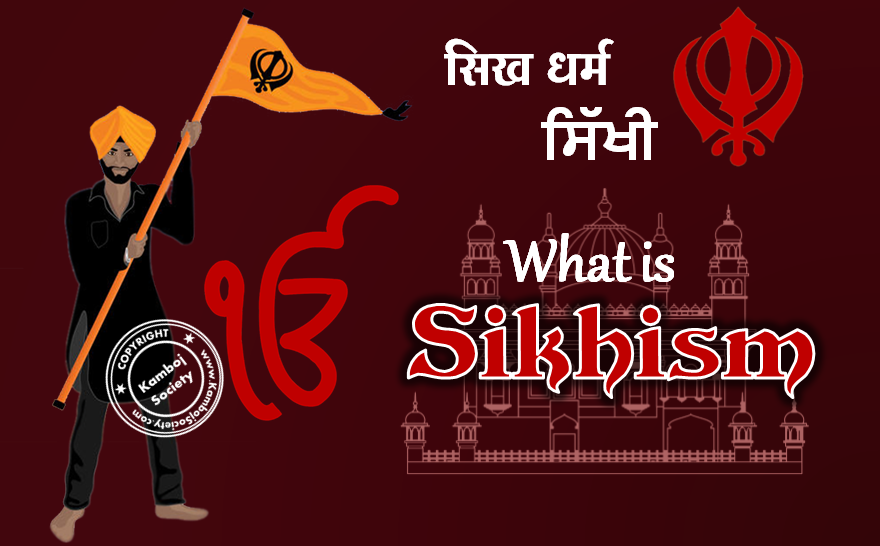
In this article, we will briefly discuss about all the ten Gurus of Sikhism, focusing on their names, teachings, and history. Beginning with Guru Nanak and the founding of Sikhism, we'll discuss their succession, ending with the tenth leader, Guru Gobind Singh. All ten Sikh gurus were born in Hinduism.
What Are the Sikh Gurus?
Founded in the Punjabi region of India over 500 years ago, one would think the Sikh religion would have more than ten Gurus, who are holy leaders and teachers. Sikhism developed in an area where contact between Muslims and Hindus occurred frequently with periods of cooperation and conflict. Sikhism, while sharing some traits with each, is a completely separate religion that follows a single god but believes that all religions follow this god in their own way. Let's look at how each Guru helped shape Sikhism.
Sikhism is classified as an Indian religion along with Buddhism, Hinduism, and Jainism.
The basis of Sikhism lies in the teachings of Guru Nanak and his successors. Sikh ethics emphasize the congruence between spiritual development and everyday moral conduct. Its founder Guru Nanak summarized this perspective as: "Truth is the highest virtue, but higher still is truthful living." Sikhism lays emphasis on Ėk nūr te sab jag upjiā, 'From the one light, the entire universe welled up.'[citation needed]
Concept of God
Some sources call Sikhism a monotheistic religion, while others call it a monistic and panentheistic religion. According to Nesbitt (2005), English renderings of Sikhism as a monotheistic religion "tend misleadingly to reinforce a Semitic understanding of monotheism, rather than Guru Nanak's mystical awareness of the one that is expressed through the many. However, what is not in doubt is the emphasis on 'one'."
In Sikhism, the overall concept of God is Waheguru ('wondrous Teacher') considered to be nirankar ('shapeless'), akal ('timeless'), karta purakh ('the creator'), and agam agochar ('incomprehensible and invisible').
God has no gender in Sikhism, though translations may present it as masculine. It is also akaal purkh ('beyond time and space') and nirankar ('without form'). In addition, Nanak wrote that there are many worlds on which it has created life.
The Sikh scripture begins with God as ik onkar (ੴ), the 'formless one', understood in the Sikh tradition as monotheistic unity of God. Ik onkar (sometimes capitalized) is more loosely rendered 'the one supreme reality', 'the one creator', 'the all-pervading spirit', and other ways of expressing a diffused but unified and singular sense of God and creation.
The traditional Mul Mantar goes from ik onkar until Nanak hosee bhee sach.[clarification needed] The opening line of the Guru Granth Sahib and each subsequent raga, mentions ik onkar:
Mul Mantar of Sikhism
ੴ ਸਤਿ ਨਾਮੁ ਕਰਤਾ ਪੁਰਖੁ ਨਿਰਭਉ ਨਿਰਵੈਰੁ ਅਕਾਲ ਮੂਰਤਿ ਅਜੂਨੀ ਸੈਭੰ ਗੁਰ ਪ੍ਰਸਾਦਿ॥
ikk ōankār sat(i)-nām(u) karatā purakh(u) nirabha'u niravair(u) akāl(a) mūrat(i) ajūnī saibhan gur(a) prasād(i).
"There is one supreme being, the eternal reality, the creator, without fear and devoid of enmity, immortal, never incarnated, self-existent, known by grace through the true Guru."
— Guru Granth Sahib (17th c.), p. 1
Prakash (Gurmukhi: ਪਰਕਾਸ਼) is a Punjabi word meaning "light, radiance, awakening, enlightenment" and is also the name given to the ceremony for the "act of bringing the Sri Guru Granth Sahib from the Sachkhand to the Darbar hall". This is normally done at about dawn time every day at all Sikh Gurdwaras.
The Guru Granth Sahib is a large volume and usually stored overnight in one location called the Sachkhand and is like a special bedroom. However, during the day, the Guru Granth Sahib is seated on a raised stage (Palki Sahib) as the focal point in a congregation or Gurdwara. When being brought to the open court it is carried on ones head to symbolize that it is above human ego. This is done while chanting of sacred Mantars. The prakash process is completed by taking a hukam.
Joti Jot (Meaning: immersed in the Eternal Light). The Guru's and holy Sikh scriptures teach that if someone is immortal (or attained immortality during the course of their life), when they leave this existence they have not died. They have rejoined with God. As someone who is immortal cannot die. This special condition is given the word Joti Jot.
Khalsa initiation
The 5 Ks date from the creation of the Khalsa Panth by Guru Gobind Singh in 1699.
The Guru introduced them for several reasons:
- Adopting these common symbols would identify members of the Khalsa
- Because all members of the Khalsa wear the 5 Ks the members of the community are more strongly bound together
- Each K has a particular significance
The meaning of the 5 Ks
A simple, plain circular steel braceletKara - a steel bracelet
The 5 Ks taken together symbolise that the Sikh who wears them has dedicated themselves to a life of devotion and submission to the Guru.
The 5 Ks are 5 physical symbols worn by Sikhs who have been initiated into the Khalsa.
The five Ks are:
- Kesh (uncut hair)
- Kara (a steel bracelet)
- Kanga (a wooden comb)
- Kaccha - also spelt, Kachh, Kachera (cotton underwear)
- Kirpan (steel sword)
Who Were the Sikh Gurus?
The word guru in Sikhism also refers to Akal Purkh (God), and God and guru can sometimes be synonymous in Gurbani (Sikh writings). Let's cover the Sikh Gurus:
Guru Nanak Dev
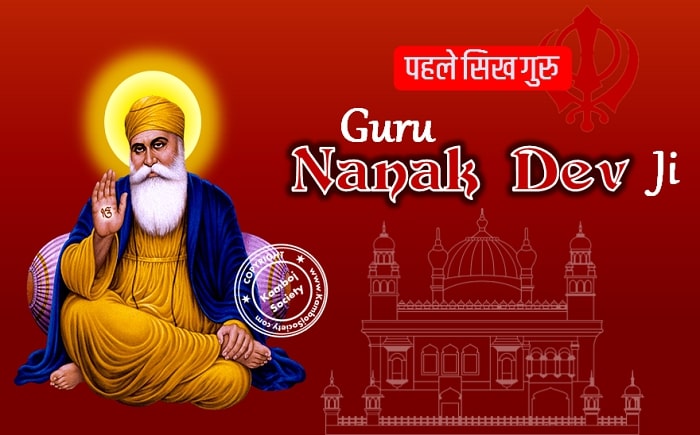
- Date of Birth: 15 April, 1469
- Date of Death: 22 September, 1539
- Father: Mehta Kalu
- Mother: Mata Tripta
Guru Nanak Dev (गुरु नानक देव) was a 1st guru of Sikhism.
Guru Angad Dev
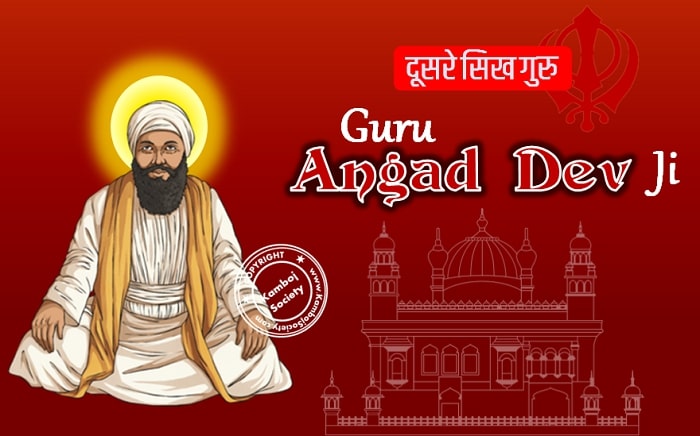
- Date of Birth: 31 March, 1504
- Date of Death: 29 March, 1552
- Father: Baba Pheru
- Mother: Mata Ramo
Guru Angad Dev (गुरू अंगद देव) was a 2nd guru of Sikhism.
Guru Amar Das
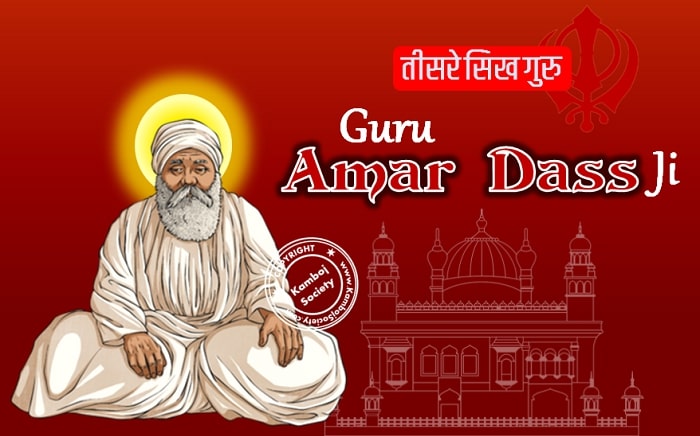
- Date of Birth: 5 May, 1479
- Date of Death: 1 September, 1574
- Father: Tej Bhan Bhalla
- Mother: Bakht Kaur
Guru Amar Das (गुरु अमर दास) was a 3rd guru of Sikhism.
Guru Ram Das
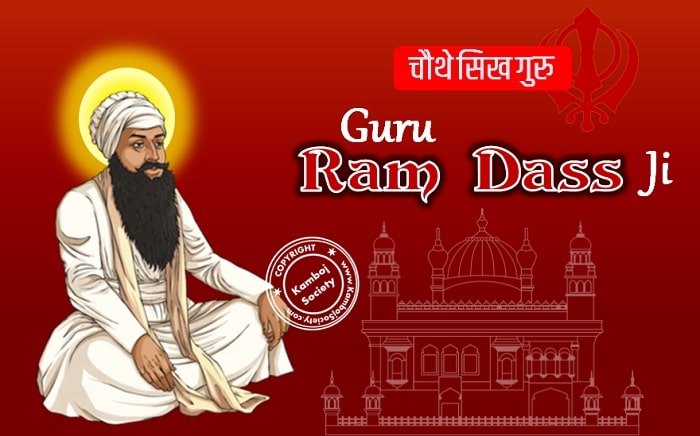
- Date of Birth: 24 September, 1534
- Date of Death: 1 September, 1581
- Father: Baba Hari Das
- Mother: Mata Daya Vati
Guru Ram Das (गुरु राम दास) was a 4th guru of Sikhism.
Guru Arjan Dev
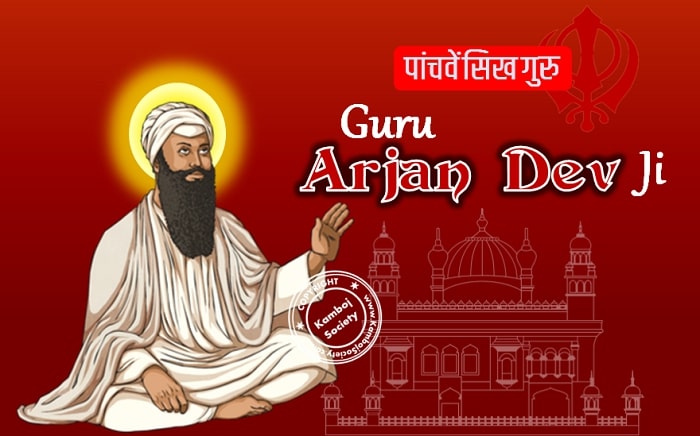
- Date of Birth: 15 April, 1563
- Date of Death: 30 May, 1606
- Father: Rām Dās
- Mother: Mata Bhani
Guru Arjan Dev (गुरु अर्जन देव) was a 5th guru of Sikhism.
Guru Har Gobind
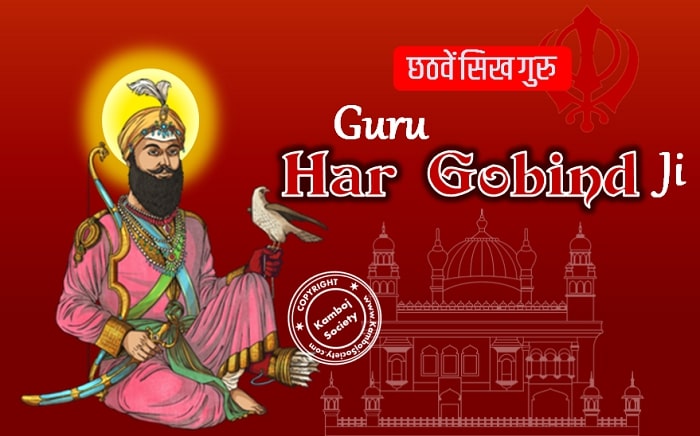
- Date of Birth: 19 June, 1595
- Date of Death: 28 February, 1644
- Father: Arjun Dēv
- Mother: Mata Ganga
Guru Har Gobind (गुरु हरगोबिंद) was a 6th guru of Sikhism.
Guru Har Rai
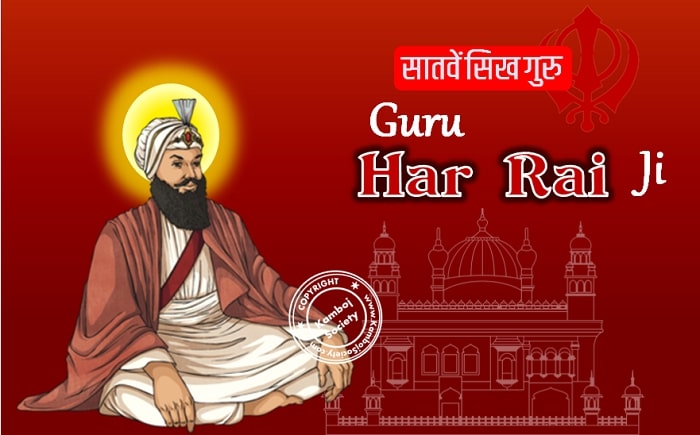
- Date of Birth: 16 January, 1630
- Date of Death: 6 October, 1661
- Father: Baba Gurditta
- Mother: Mata Nihal Kaur
Guru Har Rai (गुरु हर राय) was a 7th guru of Sikhism.
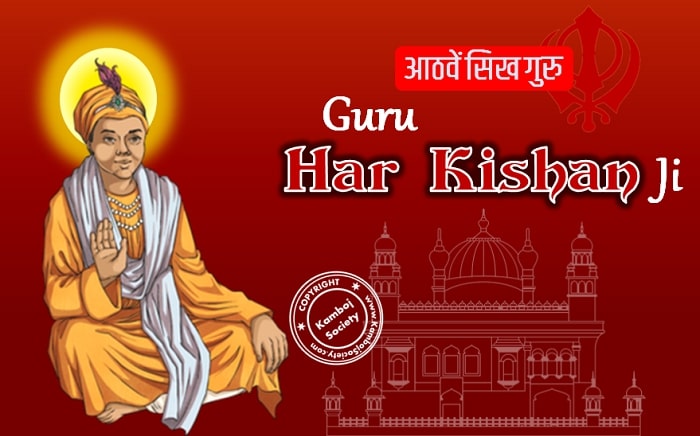
Guru Har Krishan
- Date of Birth: 7 July, 1656
- Date of Death: 30 March, 1664
- Father: Hari Rāi
- Mother: Mata Krishan Kaur
Guru Har Krishan (गुरु हर किशन) was a 8th guru of Sikhism.
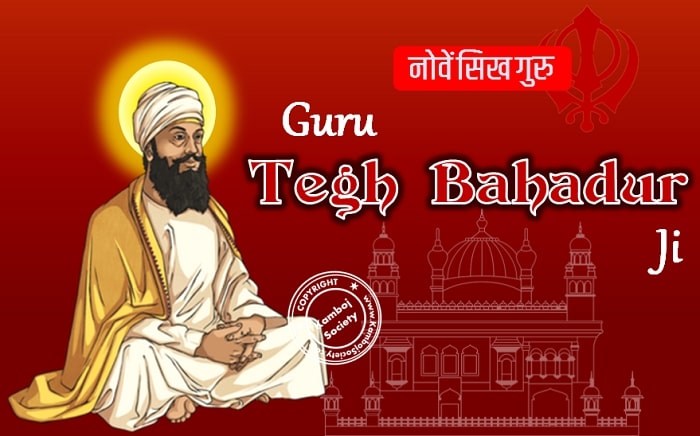
Guru Tegh Bahadur
- Date of Birth: 1 April, 1621
- Date of Death: 11 November, 1675
- Father: Hari Gōbind
- Mother: Mata Nanki
Guru Tegh Bahadur (गुरू तेग़ बहादुर) was a 9th guru of Sikhism.
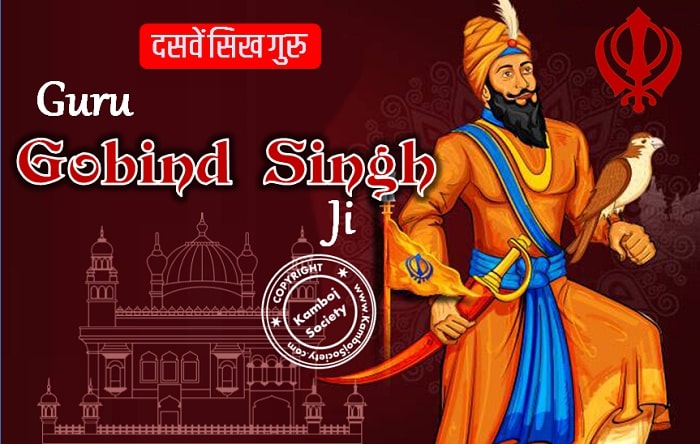
Guru Gobind Singh
- Date of Birth: 22 December, 1666
- Date of Death: 7 October, 1708
- Father: Tēġ Bahādur
- Mother: Mata Gujri
Guru Gobind Singh (गुरु गोबिन्द सिंह) was a 10th guru of Sikhism.