The Kambojas in Mahabharata
The Mahabharata, one of India's greatest epics, makes numerous references to the Kamboja people and their warriors. Their participation in the Kurukshetra war and their reputation as fierce fighters are well documented in this ancient text.
Alliance with the Kauravas
The Kambojas are mentioned as allies of the Kauravas during the great war. Their decision to support Duryodhana had significant implications for the outcome of several battles.
Notable Kamboja Warriors
Several Kamboja warriors are specifically mentioned in the epic:
- Sudakshina: The king of Kambojas who led their forces
- Kamboja Cavalry: Renowned for their horsemanship
- Archers: Skilled in the art of archery
Military Capabilities
The Mahabharata describes the Kambojas as possessing exceptional military skills:
Cavalry Excellence
"The Kambojas, skilled in warfare, arrived with their horses
Swift as the wind, fierce as lions
Their cavalry unmatched in all directions"
Combat Techniques
- Horse-mounted warfare: Masters of mounted combat
- Archery: Deadly accurate with their bows
- Sword fighting: Skilled in close combat
- Strategic formations: Knowledge of battle tactics
Key Battles
The Kambojas participated in several crucial battles during the war:
Day 1 of Kurukshetra
The Kamboja forces engaged the Pandava army with great ferocity, creating significant challenges for the opposing forces.
Later Engagements
Throughout the 18-day war, Kamboja warriors continued to prove their worth on the battlefield, fighting valiantly until the end.
Cultural Significance
The mention of Kambojas in the Mahabharata serves multiple purposes:
- Historical Documentation: Evidence of their existence and importance
- Cultural Exchange: Shows interaction between different kingdoms
- Military Reputation: Establishes their standing as warriors
- Political Landscape: Illustrates alliances and power dynamics
Geographic References
The epic provides clues about the Kamboja kingdom's location:
- Northwest of Hastinapura (the Kuru capital)
- Beyond the Indus river region
- Connected to other northwestern kingdoms
Weapons and Equipment
Mahabharata describes the Kambojas as equipped with:
- Superior horses bred in their kingdom
- Advanced weaponry of the era
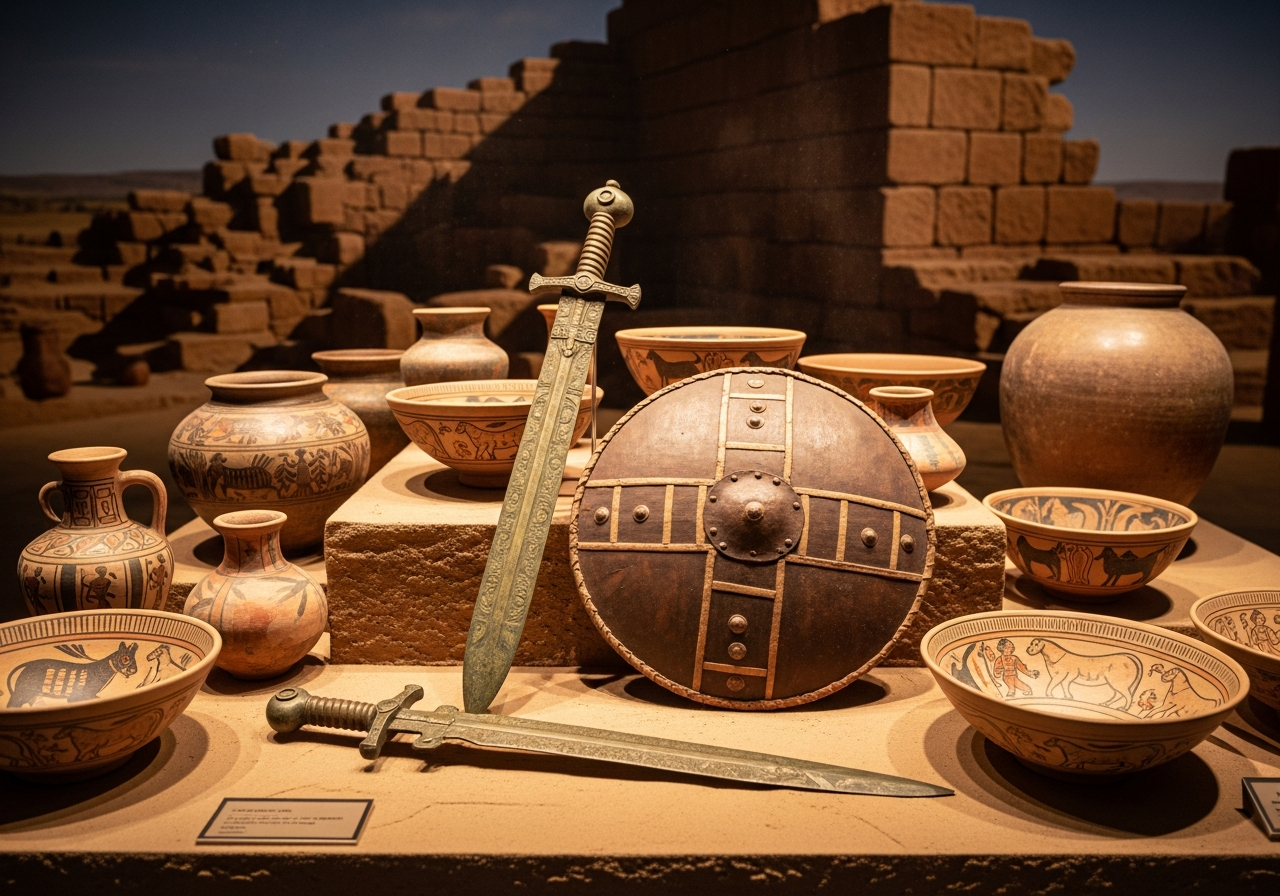
- Protective armor and shields
- Battle chariots
Religious and Social Aspects
The text also touches on:
Religious Practices
- Adherence to Vedic traditions
- Warrior code (Kshatriya Dharma)
- Honor in battle
Social Structure
- Organized military hierarchy
- Loyalty to their king
- Brotherhood among warriors
Literary Analysis
Scholars have studied the Kamboja references in Mahabharata to understand:
- Historical accuracy of the epic
- Social and political structures of ancient India
- Military practices of the period
- Cultural diversity in ancient times
Legacy
The portrayal of Kambojas in the Mahabharata has:
- Preserved their memory through centuries
- Inspired pride in the Kamboj community
- Contributed to historical research
- Influenced modern retellings of the epic
Quotes from the Epic
Several verses specifically mention the Kambojas:
"From the land of Kamboja, where horses are bred finest, Came warriors fearless, their courage unmatched, With swords gleaming bright and arrows swift, They rode into battle, their honor to defend."
Conclusion
The Kambojas' role in the Mahabharata, though aligned with the losing side, showcases their bravery, military prowess, and importance in ancient Indian civilization. Their mention in this timeless epic ensures that their legacy continues to inspire generations.
Further Reading
For those interested in learning more:
- Critical editions of the Mahabharata
- Archaeological evidence of Kamboja kingdom
- Comparative studies with other ancient texts
- Modern historical analyses